Are you designing for the old world?
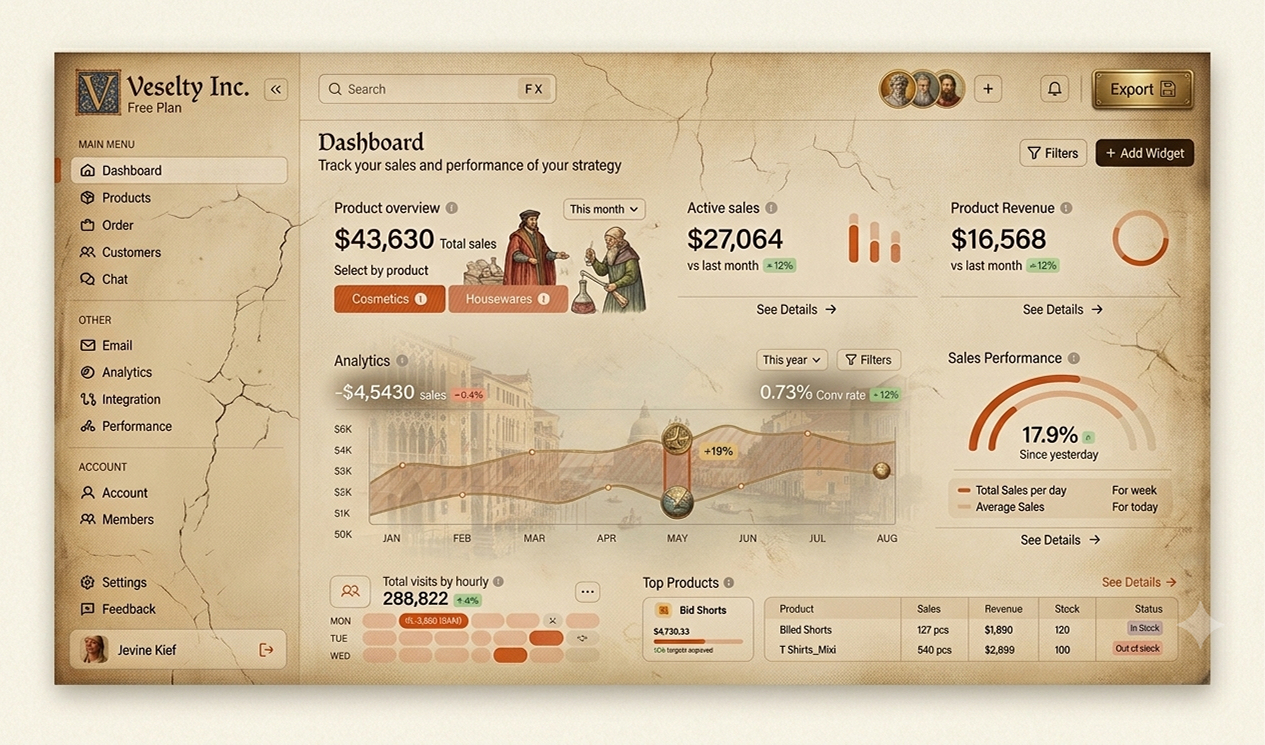
I don't need to tell you that AI has changed how we work, how we design, and how we ship software. If your day-to-day in tech looks like it did 1 to 2 years ago, then you are either working for a locked-down industry, a legacy enterprise, or you are living under a rock.
My feeds are filled with folks talking about ditching tools they once loved, and the new tech stacks and workflows they are using to make them 10x more efficient.
What I rarely read about is how AI is changing “what” people are designing and building. We have news tools that are transforming our capabilities and our days. AI adoption is skyrocketing, but I don't think we have seen as big a shift in what people are building yet.
The question needs to shift from: “Has AI shifted how you build?” to “How is AI shifting what you build?” A critique I kept hearing from Chris Boardman, our Principal Product Designer at Webflow, is: “This feels like it was designed for the old world.” Not a dig, a provocation, and a good one.
Designed for the old world? What do you mean? Well, the old world assumes old capabilities and foundations. It doesn't take into consideration potential new foundations that AI can provide from both a product and interactive standpoint. The old way of thinking meant you needed a fixed UI, you could only ship one version of an alpha at a time… With AI, these limitations just aren't there.
The web was first published to the public by Tim Berners-Lee in 1991. From there, we were building fixed tables and fixed-widths on sites. Apple released the iPhone in 2006 and changed how sites needed to be thought through. In 2010, Ethan Marcotte coined the term “Responsive Web Design.” This was a shift in how websites and software were built to use a more fluid approach, before you had to make a mobile version of a site and desktop version. Shifts happen, and one is happening now.
In 2026, we find ourselves in a new moment. We are moving from “Responsive Web Design” to “Malleable Design.”
Malleable design takes into consideration the new surface we have to design with. Why do we need things to look the same for all users and personas? Why can't we start with a base and have a user create their own version of a layout, dashboard, or editor they need directly in our product?
This shift is a lot, I know. We need to recalibrate how we think about components and evolve to design harnesses. We need to consider how governance fits into this, and how users will want to tailor their own experiences. I’m not writing this to give you all the answers but to push on your thinking.
Old things are new again. I remember the joy of making my MySpace page my own. I crafted it just the way I wanted it, curated my “top 8” friends, added backgrounds, animations and layouts to my page. It was magic. How do we translate that experience to a Dispatch Agent looking at a dashboard make their job less stressful, or a content marketer trying to schedule a new campaign? Could they manipulate the software to work perfectly for them, not just the masses? I think so.
So, next time you find yourself critiquing a design or product brief, ask the question: Is this designed for the old world?